
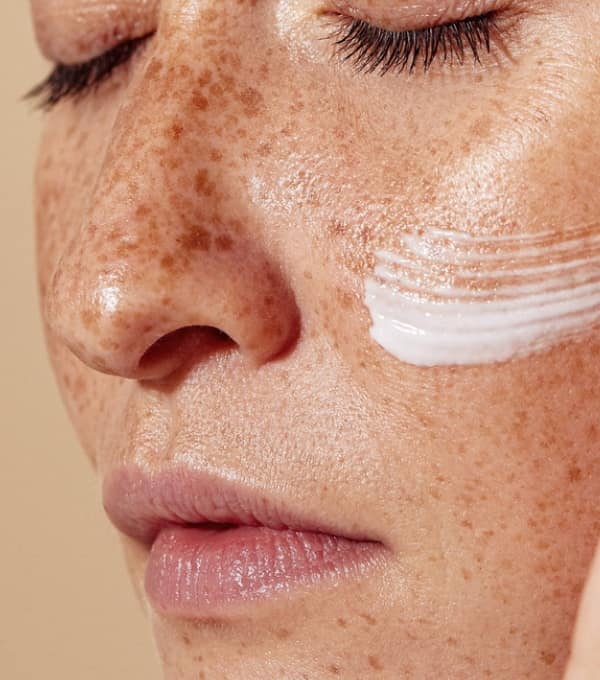
Brighter, more even skin starts with understanding why.
Pigmentation shows up in lots of ways, from sun spots and patches to an overall uneven tone. It’s tempting to just try and fade what you can see, but not all pigment behaves the same way.
Sun, hormones, inflammation and past skin damage all play a part. Once we know what type of pigment we’re working with and what’s triggering it, we can treat it properly and help stop it coming back.
Sound Familiar?
If you are nodding along, you are in the right place.
- Sun spots or freckles that have multiplied over the years
- Patches on your cheeks, forehead or upper lip that get darker in summer
- Marks left behind after breakouts that won’t fade
- Foundation that never quite evens things out
- Pigment that fades, then comes straight back
What’s behind your pigmentation
Pigmentation happens when your skin makes too much melanin, the pigment that gives skin its colour. What triggers it varies a lot from person to person, so we look at the pattern, depth and cause before deciding how to treat it.
Sun exposure
UV is the biggest trigger. Your skin makes melanin to protect itself, and over time that builds up into sun spots and uneven tone. In the Whitsundays, most of us have more sun damage than we realise.
Hormones
Hormonal changes from pregnancy, the pill or other factors can trigger melasma: soft, patchy pigment, often on the cheeks, forehead and upper lip. It’s stubborn, it’s easily triggered by heat and sun, and it needs a careful approach.
Inflammation & breakouts
Breakouts, irritation and injury can leave dark marks as the skin heals. This is called post-inflammatory hyperpigmentation, and it can hang around long after the original spot has gone.
Your skin barrier
Irritated or compromised skin is more prone to inflammation, which can make pigment worse and harder to treat. A healthy barrier is the foundation for any pigment treatment.

How we treat pigmentation
Pigmentation isn’t something we treat with a one-size-fits-all approach. The wrong treatment, or the right treatment at the wrong time, can actually make some pigment worse.

Discover
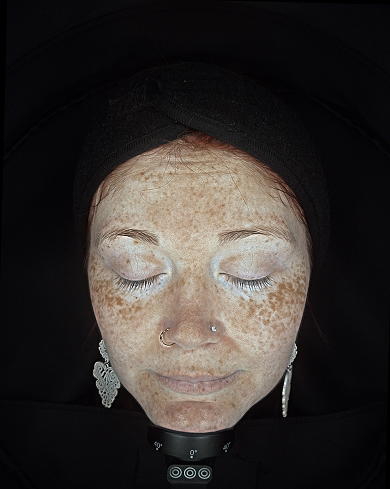
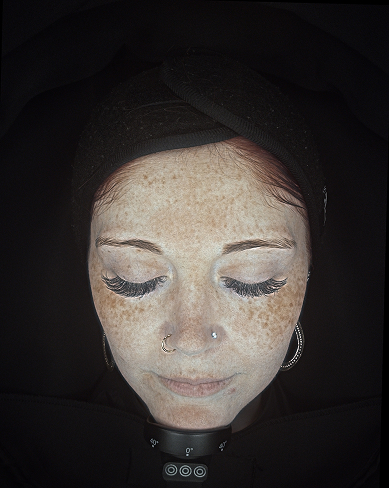
Your Skin Discovery Facial. Our Observ skin analysis shows pigment that sits below the surface, so we can see the type, depth and pattern before deciding how to treat it.

Repair
We calm any inflammation and strengthen your skin barrier, and start you on home care with brightening actives and a daily SPF. This prepares your skin and helps stop new pigment forming.

Target
Once your skin is ready, we target the pigment with treatments chosen for your pigment type, such as clinical skin peels and IPL.

Maintain
Monthly maintenance facials, home care and sun protection to keep your skin even and stop pigment creeping back.
Treatments we recommend for pigmentation
Your plan is built around your skin and your type of pigment, so not every treatment will be right for you. Here’s what we draw on most.
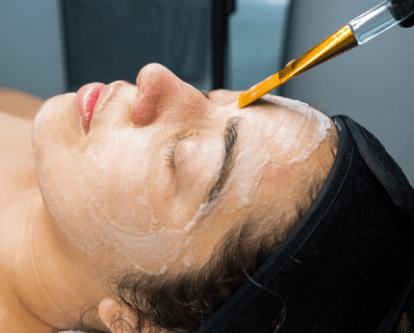
Clinical Skin Peels
Brightening peels that encourage cell renewal, fade surface pigment and even out your tone.
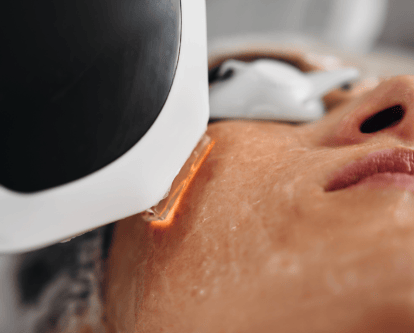
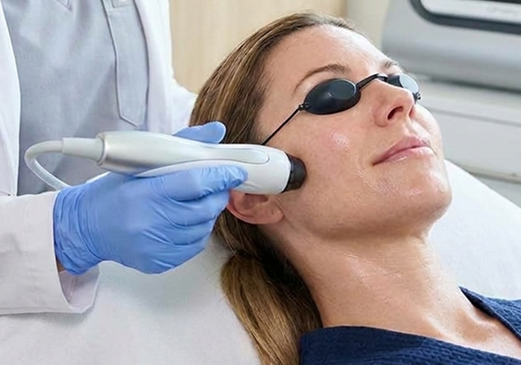
IPL Skin Correction
Light-based treatment that targets sun spots, freckling and sun damage for a clearer, more even complexion.
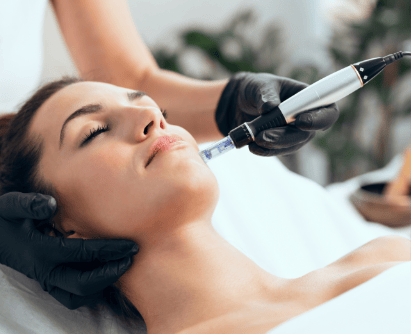
Skin Needling & Mesotherapy
Collagen stimulation combined with brightening serums, to improve tone and texture from deeper in the skin.
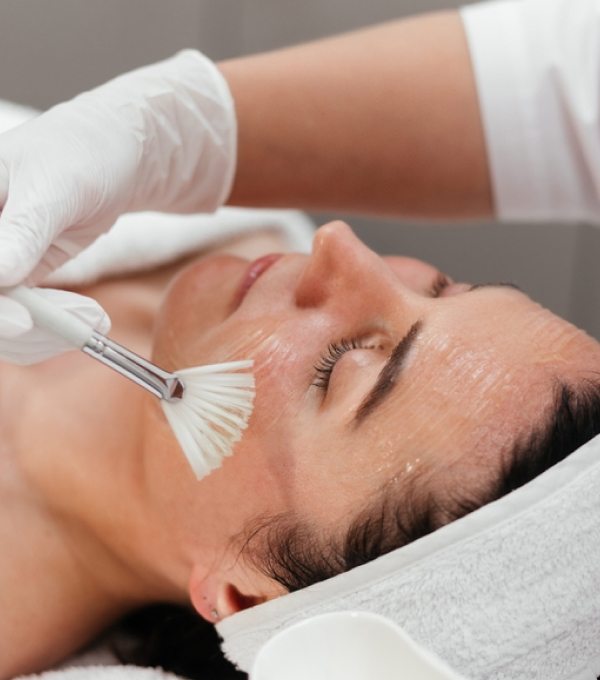
NanoPeel
Our upgrade on microdermabrasion. Gently resurfaces and brightens while infusing an IMAGE enzyme peel, with little to no downtime.

LED Light Therapy
Calms inflammation and supports skin repair, a helpful addition to a pigment plan, especially for marks after breakouts.
Home care & SPF
The most important part of any pigment plan. Your home care prescription will include brightening actives to keep pigment in check and a daily SPF to protect your results.
Think you might have melasma?
Melasma needs a very different approach to sun damage. Heat, inflammation and aggressive treatments can stir up the pigment-producing cells in your skin and cause a flare. IPL can make melasma worse, and even skin needling can trigger it if the depth and speed aren’t exactly right.
That’s why melasma needs experience, caution and patience. We always assess your pigment first, then build a plan around calming, protecting and gradually brightening your skin, only introducing treatments like skin needling with great care.
Real results
Every result here comes from a plan built for that client’s skin.
Pigmentation FAQs
Why does my pigment keep coming back?
Pigment is your skin’s response to triggers like sun, heat, hormones and inflammation. If those triggers are still there, pigment can return. That’s why your plan includes daily SPF and home care, not just in-clinic treatments.
Is IPL suitable for everyone?
No. IPL works best on sun spots and sun damage on lighter skin tones. It isn’t suitable for every skin type or every type of pigment, including melasma. We assess your skin and do a patch test before any IPL treatment.
How many treatments will I need?
It depends on your pigment type and how deep it sits. Sun spots can respond quite quickly, while melasma and deeper pigment need a longer, gentler plan. We’ll give you a realistic idea at your Skin Discovery Facial.
Do I need to avoid the sun during treatment?
Sun protection is important during any pigment treatment, and especially around IPL and peels. You don’t need to hide indoors, but a daily SPF, a hat and avoiding tanning will protect your skin and your results. We’ll give you specific advice for your treatment.
Can I have pigmentation treatment while pregnant?
Many pigment treatments aren’t suitable during pregnancy, and pregnancy hormones can trigger pigment of their own. We focus on gentle, nourishing facials and sun protection during pregnancy, and can plan targeted treatment for afterwards.
Ready for brighter, more even skin?
Start with a Skin Discovery Facial. We’ll identify your type of pigment and map out a plan to fade it, even your tone and protect your skin.
Already a skin client? Book your next treatment
Visiting the Whitsundays? Book a Mana Clarity Facial